

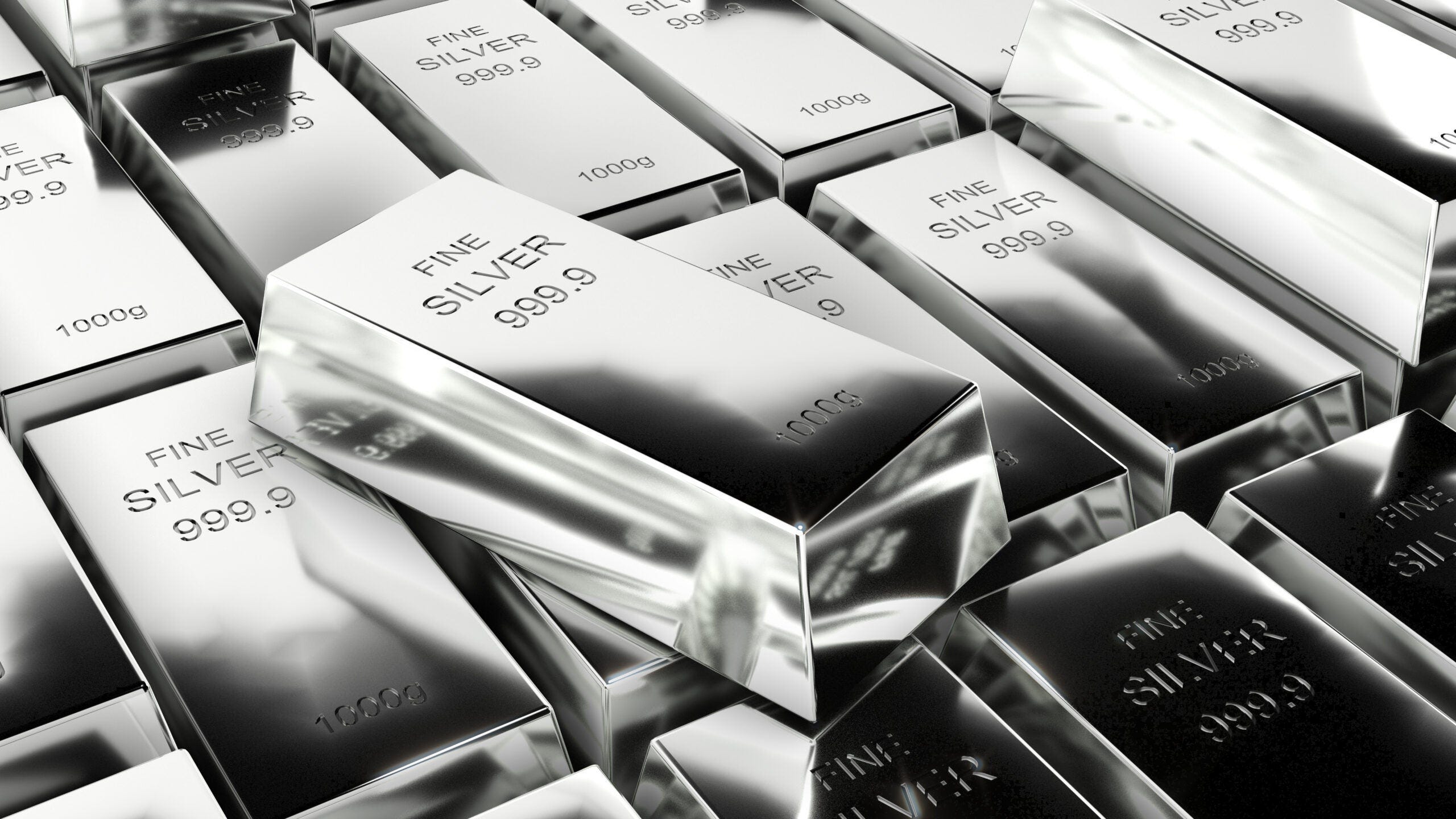
The silver market is in the sixth consecutive year of structural deficit. Since 2021, the world has consumed 762 million ounces more silver than it has produced. That number is roughly one full year of global mine supply, drawn down from above ground stocks across London vaults, COMEX warehouses, ETP trusts, and industrial user inventories. The buffer that made silver look abundant for the last two decades has been systematically dismantled. The annual gap narrowed to 40.3 million ounces in 2025 and is forecast to widen to 46.3 million ounces in 2026, but the six year cumulative drawdown of 762 million ounces is the number that matters, because the earlier years of the deficit ran far larger.
In October 2025, the physical market cracked. Available silver in London vaults fell to 17% of total holdings unencumbered, the lowest on record. One month lease rates that normally sit below 1% spiked to approximately 39%. Silver broke through its January 1980 nominal high of $49.45, a level it had spent 45 years below, and did not stop until it printed an intraday high of $121.62 on January 29, 2026, closing that session near $117. That intraday print was an all-time high in nominal dollars, and it took the gold to silver ratio to 46.22, the lowest since 2011.
The rally has since come off the highs. Silver fell roughly 43% from the January peak, bottoming near $57 in mid-July before recovering to about $69 by late August. The gold to silver ratio has rebuilt from its low back toward the high 60s. Consensus has declared the move over. Consensus is wrong. The physical market conditions that produced the squeeze have not been fixed.