

This review covers developments reported through November 28, 2026. Price observations extend through November 27. Capacity, throughput, exports and inventories have different observation dates, identified below.
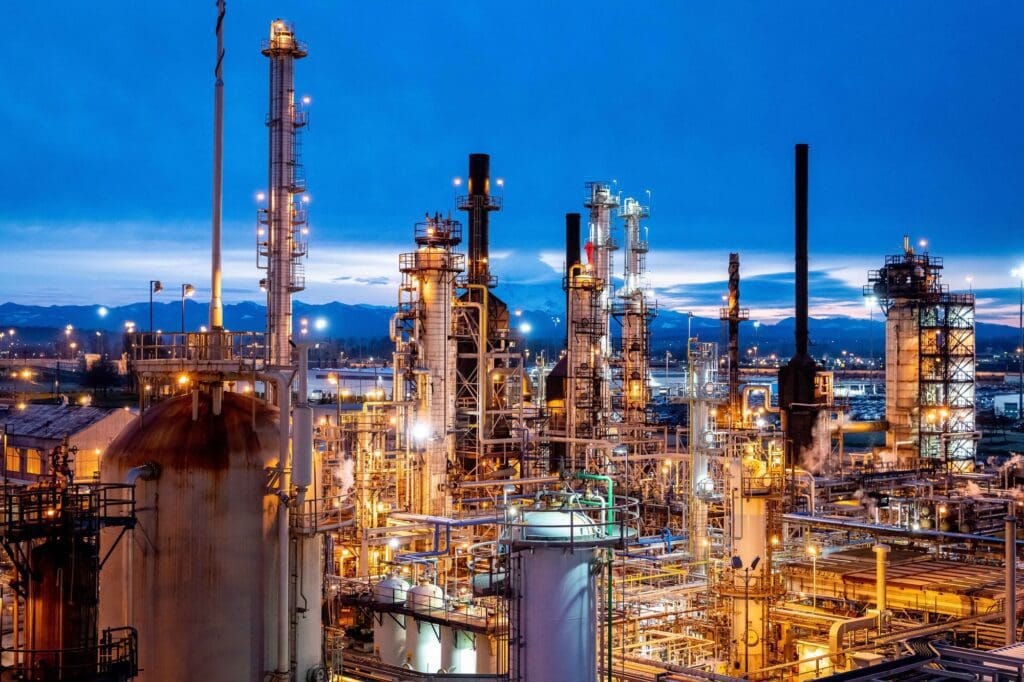
The global refining system is entering Northern Hemisphere winter under severe strain. Major fuel-producing regions have lost substantial processing capacity, repeated attacks threaten repairs, and important trading hubs hold less distillate than they normally would at this point in the season. The US is already running its refineries at exceptionally high rates to help meet demand. That combination leaves the product market poorly positioned to absorb another substantial outage or a sharp increase in winter consumption.
The scale is substantial. Approximately 5.5 million barrels a day of refining capacity was offline across the former Soviet Union and the Middle East in the November 13 snapshot. Subsequent estimates put Russian crude processing at just 2.6–2.7 million bpd on November 23, compared with approximately 5.0 million bpd in late October. These are different measures, but both point to a serious loss of the system’s ability to turn crude into usable fuel.
The inventory protection available to buyers is also reduced. Europe’s Amsterdam–Rotterdam–Antwerp hub is approximately 23% below its five year November reference. US distillate stocks are 6.3% below their comparable seasonal average and Singapore’s surveyed middle-distillate stocks are approximately 7.3% below theirs. The US deficit has narrowed, but it persists alongside refinery utilization of 97.5%. Much of the operating response that would normally help absorb a supply shock is already being used.
The central danger is an overlap of damaged capacity, depleted stock buffers and rising demands on the refineries still operating. Lower diesel margins have eased current price pressure. Lasting supply security requires repaired processing equipment, dependable cargoes and enough inventory rebuilding to withstand winter demand and the maintenance work ahead. Until those conditions are met, another disruption can place disproportionate pressure on prompt fuel availability