

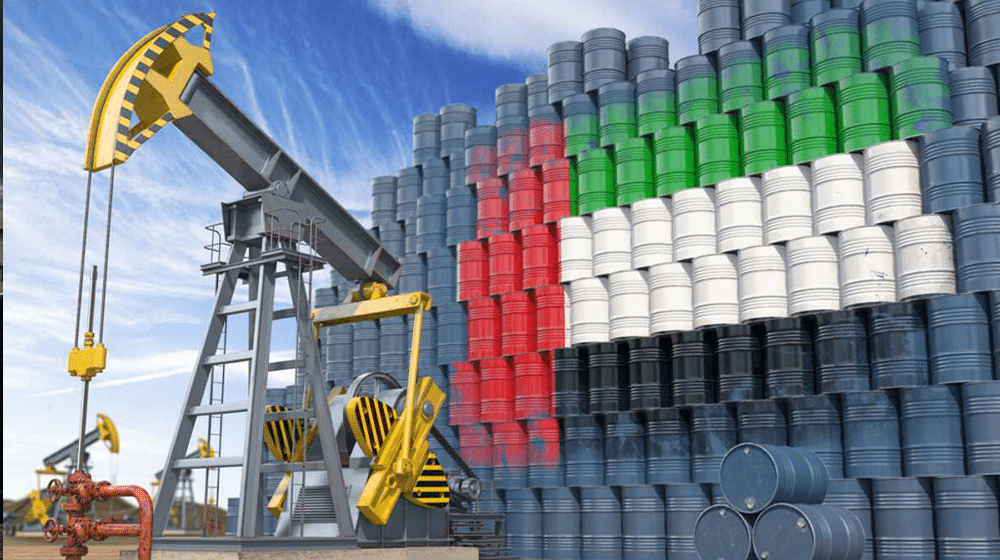
At midday on April 28, the UAE Ministry of Energy and Infrastructure announced that the country would withdraw from OPEC and OPEC+ effective May 1. Fifty-nine years inside the cartel. Three days before the Vienna ministerial meeting. The ministry called it “a comprehensive review of the UAE’s production policy and its current and future capacity,” based on national interest, aligned with the country’s “long-term strategic and economic vision and evolving energy profile, including accelerated investment in domestic energy production.” Energy Minister Suhail Al Mazrouei posted on his verified account that the move was “a policy-driven evolution aligned with long-term market fundamentals.” Dr Sultan Al Jaber, ADNOC’s managing director and group chief executive, called the decision sovereign, aligned with national interests and market stability.
The OPEC exit got the headlines. The decision itself was years in the making.
The UAE has been chafing inside OPEC for at least a decade. The capacity dispute, the political split with Saudi Arabia, the ADNOC expansion plans that OPEC’s accounting would not recognize, all of that was in motion long before February 2026. The 2021 baseline fight inside OPEC+ nearly broke the organization. Rumors of a UAE exit have circulated through every ministerial meeting since.
What did start in February 2026 was the Iran war. The war did not cause the OPEC decision. It pushed the timing forward. The exit was likely coming. The war made it now.